
Keno: Number Draw Rules, Tips & Play Guide
Keno is a number-draw game: choose a set of numbers, then compare them with the numbers selected in the draw. The key is to understand the current paytable, draw rules, and stake limits before beginning; no number pattern can guarantee a result.
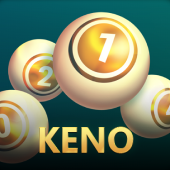 Keno
Game type
Cards
Core action
Select numbers and review the draw result.
Best first check
Read number limits, paytable and round timing.
Related number and card games
Explore
What makes Keno a number-draw game?
The central task is matching your selected numbers against a draw, not predicting a sequence. Keno gives players a number field and a draw result; the exact number range, how many selections are allowed, and how many numbers are drawn are determined by the version presented in the lobby. Check those details in the in-game rules rather than assuming every Keno table works identically.
After selecting numbers, a player confirms the stake and waits for the draw. The paytable maps the number of matches to an outcome, so the same count of hits may have different significance across versions or bet types. Read both the selection rules and the payout rows before confirming. The name of this category in the catalog is cards, while the play itself follows a number-draw format.
A Keno Demo, if the title offers one, is useful for learning where the number board, stake control, draw result, and paytable appear. Practice can teach the interface, but it does not change the odds or predict a later draw. For help choosing a manageable session rhythm, read these OK Panalo player tips.
Keno is chance-based entertainment. A number that has not appeared recently is not therefore more likely to appear next.
Use Keno milestones to understand your session
Useful milestones are about learning and control, not promised wins. Since no specific achievement system is confirmed here, treat the checkpoints below as personal progress markers: understand the screen, make a deliberate selection, and finish within the limit you set. They help organize a session without implying that the game rewards a particular number pattern.
Know the board
Before a stake, identify the available number range and how many picks the current version accepts.
Read one paytable row
Locate the match count associated with each displayed outcome so settlement is not a surprise.
Keep to your planned pace
Use a fixed number of rounds or a time limit, and stop when that boundary is reached.
Review without chasing
Check the result and balance calmly. Do not raise the stake to recover a previous loss.
These checkpoints make it easier to assess whether the interface and pace suit you. They are not in-game badges, official rewards, or a strategy for increasing the chance of a match. If a practice option exists, a Keno Demo can help with the first two checkpoints before you consider any paid play.
How to read Keno return information
Use a published return figure only as a long-run theoretical measure, never as a promise for an individual draw. The available paytable and game information are the right sources for Keno’s specific rules and any stated return-to-player value. No verified Keno RTP figure is provided in this guide, so it would be misleading to invent a percentage or rank the game against other titles.
RTP is typically expressed as a theoretical proportion returned over a very large number of plays under stated conditions. It does not forecast a short session, the next draw, or a personal result. Variance also matters: two games with similar theoretical returns can distribute outcomes differently, and a single short run may differ sharply from a long-run average.
For a different theme and mechanics, Olympus Glory is a separate catalog title. Comparing game types can help you choose the style you prefer, but neither a return figure nor another game's recent results removes risk from Keno.
Practical Keno habits for a measured session
The most useful Keno tips concern preparation and limits, because number selection cannot control a random draw. Decide what a comfortable entertainment spend and duration look like before opening the game; then follow the paytable and stake controls consistently. Avoid systems that claim to guarantee matches or recover losses.
- Start by checking the number range, selection count, draw schedule and any minimum or maximum stake.
- Choose numbers for preference if you like, but remember that a personal pattern does not make them more likely to be drawn.
- Confirm the total wager before each round, especially if changing the number of selections affects the cost.
- Use demo play, where available, to become comfortable with the controls rather than to estimate future results.
- Take a break after a set number of draws; do not continue simply because a near-match feels meaningful.
- Protect account credentials and use trusted access. The Sweet Bonanza 1000 game page is a separate option, not a Keno continuation.
Players using the ok panalo apk app should also check that the screen remains legible, the active stake is visible, and the account session is secure before confirming. Where access is offered through an installable version, use official sources and review device permissions. Responsible play means treating every round as entertainment rather than income.
A Keno plan that focuses on process
A sensible Keno strategy is a repeatable process for reviewing terms and managing exposure, not a formula for calling winning numbers. Set your session cap first, inspect the current rules, choose a stake you can afford to lose, and avoid changing it based on earlier draws. This keeps decisions understandable even when outcomes vary.
Set a boundary
Choose a spend and time limit that do not affect essential expenses. Keep them fixed during play.
Match the stake to your plan
Confirm how selection count changes the total cost, then make only a wager that fits the cap.
Review each result neutrally
Record what happened if useful, but do not treat past draws as signals about the next one.
Stop as planned
End the session at your limit whether the last result was positive or negative.
This process gives you control over time and spending, not the random selection itself. A Keno Demo may let you practice screen flow without placing a real-money stake; its results are not a forecast of live outcomes. If you feel pressure to continue or recover losses, step away and use available account limits or support resources.
The essential Keno steps at a glance
To take part, verify the version, read its paytable, select numbers, confirm a planned stake, and review the draw without assuming it predicts the next one. Those checks answer the practical questions that matter most to a first-time visitor while keeping expectations grounded.
The ok panalo apk responsible approach is to make play voluntary, paced, and limited to entertainment funds. No Keno system guarantees a match or a return. If you want to see the Keno controls for yourself, check its current lobby listing and read the full in-game terms before making a decision.